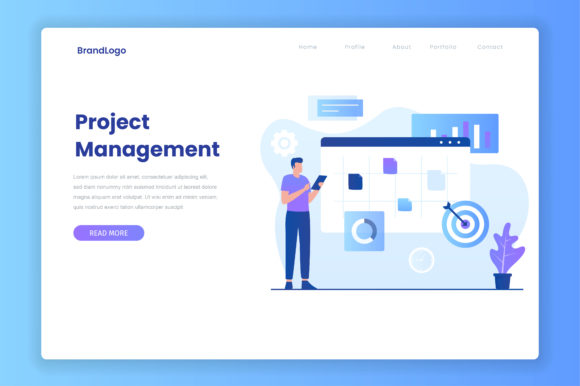
Flat Design of Project Management: Visual Clarity for Modern Teams
In a world saturated with complex interfaces and data overload, the need for visual clarity has never been more critical. The Flat Design of Project Management concept represents a shift away from skeuomorphic, realistic textures toward a cleaner, more functional aesthetic. This style isn't just a trend; it is a strategic approach to visual communication that prioritizes user comprehension and interface efficiency. Whether you are a seasoned UI/UX designer or a small business owner building your first landing page, understanding this visual language is key to creating effective digital products.
The Visual Language of Flat Design
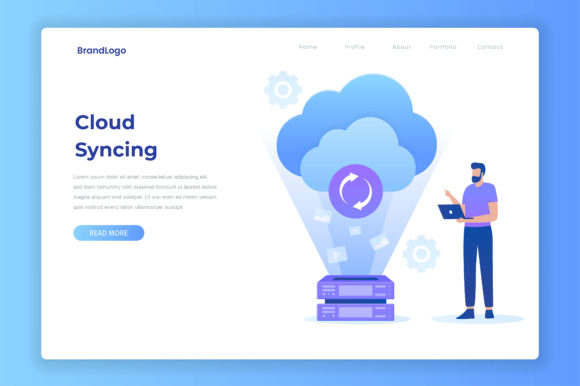
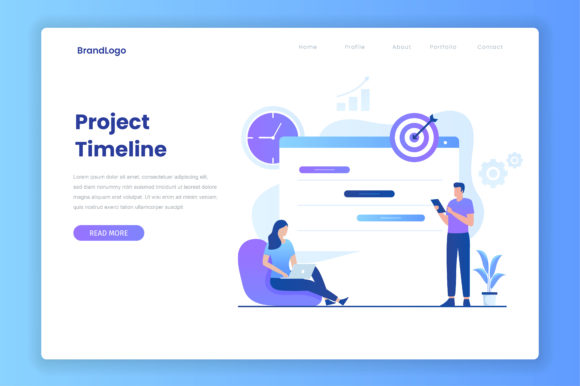
At its core, the Flat Design of Project Management style is defined by its minimalism. It strips away three-dimensional effects—like drop shadows, gradients, and bevels—to focus on simple shapes, clean lines, and bold, functional typography. The goal is to create a design that feels open and airy, reducing the cognitive load on the user. In the context of project management, this translates to dashboards that are easy to scan, icons that are instantly recognizable, and a color palette that uses contrast to guide the eye to the most important tasks.
The personality of this design style is confident, organized, and modern. It communicates professionalism without feeling sterile. When you look at a well-executed flat design illustration, you notice how negative space is used as an active design element rather than empty background. This approach helps in establishing a strong visual hierarchy, ensuring that critical information—like deadlines, progress bars, and team assignments—stands out immediately.
Practical Applications Across Media
One of the greatest strengths of the Flat Design of Project Management concept is its versatility. Because the aesthetic relies on simple geometry rather than complex textures, it scales beautifully across different media. This makes the included design assets—such as AI, EPS, JPEG, PNG, and SVG files—incredibly valuable for a wide range of projects.
Digital Presence and User Interface
For web design and mobile applications, flat design is the industry standard for a reason. It ensures fast load times, particularly with SVG and PNG formats, which are optimized for screen display. If you are developing a SaaS platform, a productivity app, or a startup landing page, this visual style helps establish immediate credibility. It aligns with modern UI/UX principles, making the interface feel intuitive and user-friendly.
Branding and Marketing Materials
Beyond the screen, this concept works exceptionally well for print design and brand identity. Imagine using these vector illustrations for a corporate presentation, a trade show banner, or a brochure. The clean lines ensure that the graphics look crisp and professional whether printed on a massive poster or a small business card. For social media graphics, the bold colors and simple shapes stop the scroll, delivering your message instantly even on small mobile screens.
Influencing Brand Perception and Engagement
The visual style you choose for your project management visuals sends a subliminal message to your audience. Adopting a flat design aesthetic suggests that your brand values efficiency, transparency, and innovation. It moves away from the cluttered, chaotic look of older software interfaces and signals that your solution is streamlined and modern.
Consistency is another major benefit. By using a cohesive set of flat design assets across your website, email newsletters, and internal documents, you reinforce your brand identity. This visual consistency builds trust. When a user sees the same clean, organized style on your pricing page as they do in your actual software interface, it creates a seamless experience that feels professional and reliable.
Choosing and Implementing the Right Assets
When integrating the Flat Design of Project Management style into your workflow, practical evaluation is essential. Here is how to get the most out of this concept:
- Evaluate File Formats: The inclusion of AI and EPS files is crucial for designers who need to customize colors or resize elements without losing quality. Use PNG files for web overlays where transparency is needed, and JPEGs for standard email headers or social posts.
- Focus on Readability: While the illustrations are key, ensure they do not compete with your text. Use the clean nature of flat design to create ample whitespace around your headlines and body copy. This improves readability and keeps the focus on your message.
- Font Pairing: Flat design pairs best with clean, modern typography. Consider using a sans serif font for headings to maintain that crisp, geometric look. If you need to add a touch of warmth, a simple serif font can work for body text, but avoid overly decorative script fonts that might clash with the minimalist aesthetic.
- Color Strategy: Flat design often uses a specific color palette—usually bright, primary colors alongside muted pastels. When using these assets, ensure your background colors provide enough contrast to make the icons and illustrations pop.
Conclusion: A Tool for Modern Creativity
The Flat Design of Project Management is more than just a set of illustrations; it is a design philosophy that favors clarity over decoration. For entrepreneurs, marketers, and designers, these assets offer a quick way to elevate the visual standard of a project. By leveraging the included SVG and vector formats, you can maintain high-resolution quality across all platforms, ensuring your brand looks sharp, organized, and ready for business.