Watercolor Gradient Digital Paper: Elevate Your Creative Projects
The Soft, Blended Aesthetic for Modern Design
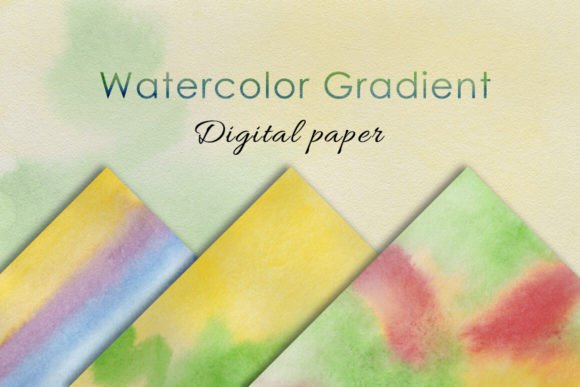
There’s a reason watercolor textures remain a favorite among designers and creators. They bring an organic, handcrafted feel to digital work, adding warmth and depth that flat colors often lack. Watercolor gradient digital paper takes this a step further by combining the fluidity of watercolor with smooth, modern color transitions. These aren’t just static textures; they’re carefully blended backgrounds that guide the eye and create a sense of movement and sophistication.
Imagine a soft fade from a muted blush pink to a serene sky blue, or a rich transition from deep teal to a warm amber. These gradients feel natural, as if the colors were painted by hand and allowed to bleed gently into one another. The result is a versatile design asset that can serve as a subtle foundation or a bold statement, depending on the context. It’s the kind of texture that doesn’t just sit in the background—it actively contributes to the mood and professionalism of a project.
Practical Applications Across Creative Disciplines
This style of digital paper isn’t limited to one type of project. Its strength lies in its adaptability. For brand identity and logo design, a watercolor gradient can be used to create memorable stationery, business cards, and letterheads that stand out in a stack of plain white or solid-color prints. The texture adds a layer of tactile appeal, even in a digital format, making a brand feel more approachable and creative.
In packaging design, these gradients can transform a simple box or label into something that catches the light and draws a customer’s hand. They work beautifully for artisan products, cosmetics, gourmet foods, or any brand that wants to communicate quality and care. For editorial design and publishing, think about magazine covers, book jackets, or interior chapter dividers. A subtle watercolor gradient background can set a tone—romantic, dreamy, energetic, or calm—without overwhelming the typography or imagery placed on top.
Digital applications are equally compelling. Bloggers and content creators can use these papers as backgrounds for social media graphics, Instagram stories, YouTube thumbnails, or website hero sections. They provide a rich, engaging canvas that makes text and photos pop. For web design, a gradient background can break up monotony and add visual interest to a homepage or landing page, improving user experience and keeping visitors engaged longer.
Integrating Texture with Typography and Layout
A key consideration when using any textured background is how it interacts with your type. The goal is readability and visual hierarchy. A busy, high-contrast watercolor texture might compete with delicate script fonts or thin sans serif weights. However, the gradients in this set are designed with transitions, not chaos. They often have areas of lighter and darker value, which can be used strategically.
For instance, placing your main headline over a lighter section of the gradient ensures the text remains clear and legible. You can use a bold, clean sans serif font for impact, or a elegant serif font for a more traditional feel. The watercolor element adds personality, while your typography choice anchors the message. This balance is crucial for maintaining a professional look in both print and digital mediums.
Choosing and Using Your Digital Paper Set
When you acquire a set like this, you’re not just getting a single image. The included zip archive with multiple high-resolution JPG files (2400 x 2000 pixels at 300 dpi) provides flexibility. The size is generous, suitable for large print projects without pixelation. Before starting your design, consider the following practical steps:
- Evaluate the Color Palette: Look at the specific gradients in the set. Do they align with your project’s color scheme or your brand’s palette? A warm-toned gradient might suit a wedding invitation, while a cool, blue-toned one could be perfect for a tech startup’s social media banner.
- Test Font Pairings: Don’t assume any font will work. Place your chosen typeface over the gradient and check the contrast at different sizes. A display font for headings might need a stronger weight than body copy. Sometimes, adding a slight drop shadow or a semi-transparent overlay behind the text can improve legibility without hiding the beautiful texture.
- Review Commercial Licensing: Always confirm the license. A reputable digital paper set will come with a license that allows for commercial use in products you sell, like printed invitations, merchandise, or digital templates for sale. This is essential for entrepreneurs and small business owners who plan to monetize their designs.
- Use as a Flexible Asset: Think beyond the obvious. Crop the gradient for a unique color swatch, use it as a texture overlay on a photograph, or blend it with other design elements. Its high resolution means you can zoom in for a tight crop without losing quality.
Ultimately, incorporating watercolor gradient digital paper into your toolkit is about adding a layer of sophistication and artistry to your work. It bridges the gap between the handmade and the digital, offering a practical solution for creating visually rich, engaging designs that resonate with an audience. Whether you’re crafting a personal project or building a client’s brand, these textures provide a foundation that is both beautiful and functionally sound.