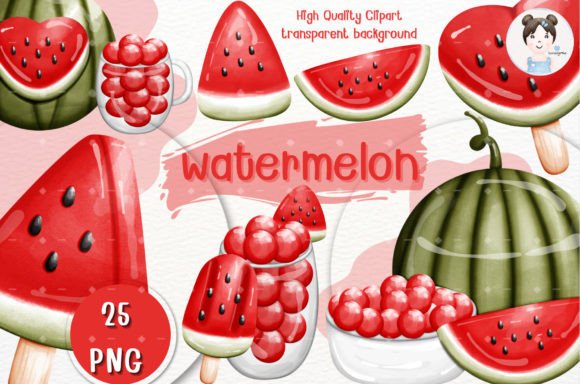
Watermelon Clipart: Vibrant Assets for Modern Branding
In the vast ecosystem of design assets, few elements evoke the universal feeling of summer, refreshment, and joy quite like the watermelon. For designers, entrepreneurs, and content creators, capturing this specific aesthetic requires more than just a stock photo; it demands versatile, high-quality illustration. This is where the Watermelon Clipart collection from Sunsaiijutha steps in. It is not merely a set of images but a curated suite of decoration elements designed to inject personality and vibrancy into a wide array of projects. Understanding how to leverage these transparent-background PNGs effectively can elevate your creative work from generic to memorable.
Visual Character and Project Versatility
The core appeal of this Watermelon Clipart lies in its specific visual personality. These are not photorealistic renderings but stylized illustrations that carry a distinct charm. The style balances clarity with a handcrafted feel, making the assets suitable for both digital and print mediums where a personal touch is valued. The high-resolution 3000x3000 pixel dimension at 300 DPI ensures that the illustrations remain crisp and detailed, whether they are scaled down for a mobile screen or enlarged for a poster. The transparent background is a critical feature, allowing the watermelon elements to be seamlessly integrated into any color scheme or layout without the hassle of removing backgrounds, which is a common time sink in design workflows.
The practical applications for this style of creative font companion are extensive. For packaging design, particularly in the food, beverage, or lifestyle sectors, these illustrations can become the centerpiece of a label, instantly communicating flavor and freshness. In editorial design, they serve as perfect spot illustrations for blogs, magazines, or newsletters focused on health, recipes, or summer activities. The assets are equally at home in web design, where they can break up text-heavy pages, create engaging icons, or add playful accents to a website's hero section. For social media graphics, the watermelon motif is inherently shareable and engaging, ideal for creating cohesive Instagram stories, Facebook posts, or Pinterest pins that stand out in a crowded feed. Beyond digital, the illustrations translate beautifully to physical goods like Mugs, T-shirts, and stationery, where their bold shapes and colors make a strong visual impact.
Strategic Integration for Brand Identity
Using decorative elements like Watermelon Clipart is more than an aesthetic choice; it's a strategic one that influences brand perception. When integrated thoughtfully, such assets contribute to a cohesive brand identity. For a small business selling artisanal jams or a yoga studio with a focus on vitality, the watermelon icon can become a recognizable part of their visual language, fostering brand recognition and conveying specific values—health, energy, and approachability. This is where the asset functions as a piece of modern typography in the broader sense, where visual symbols communicate as effectively as letterforms.
However, effective integration requires considering visual hierarchy. The clipart should support your message, not overshadow it. In a logo or header, a single, well-placed watermelon illustration can anchor the design. In a dense layout like a worksheet or invitation, multiple smaller elements can create rhythm and guide the viewer's eye. The key is to ensure the illustrations complement your primary typography. For instance, pairing a bold, clean sans serif font with the organic shapes of the watermelon creates a dynamic contrast that is both professional and inviting. Conversely, using a script font alongside the clipart can amplify a whimsical, festive tone for event invitations or greeting cards.
Practical Guidance for Selection and Application
When evaluating this or any premium font or asset package, the first step is to assess its alignment with your project's needs. The Sunsaiijutha collection is explicitly designed for decoration, making it ideal for projects where adding visual interest and a thematic element is the goal. It is less suited for projects requiring minimalist, abstract, or highly corporate imagery. Before purchasing, consider the "personality" of the illustrations. Do they match the tone of your brand? A playful, cartoon-like watermelon fits a casual, youthful brand, while a more stylized, graphic interpretation might align with a contemporary design studio.
Next, think about font pairing in the context of your entire design system. If you are using the watermelon as a key visual, what typeface will accompany it? A strong display font for headlines and a readable serif font or sans serif font for body text can create a balanced hierarchy. The clipart can act as a visual bridge between these typographic elements. Always test how the illustrations interact with your chosen fonts in a mock-up. Does the scale feel right? Does the color palette of the clipart harmonize with your brand colors? This testing phase is crucial for achieving a professional result.
Finally, review the package details carefully. The inclusion of 25 PNGs offers good variety for creating a consistent yet non-repetitive visual theme across multiple assets. The assurance of no watermarks and a transparent background removes common barriers to immediate use. The commercial licensing is a key consideration for entrepreneurs and small business owners; you are not just buying an image for a single project but acquiring a design asset that can be used across your marketing materials, products, and digital presence, which represents significant long-term value.
In conclusion, the Watermelon Clipart package is a versatile and valuable resource for a specific creative niche. Its strength lies in its ability to add immediate character, seasonal appeal, and a sense of handcrafted quality to designs. By strategically selecting, testing, and integrating these illustrations with complementary typography and layout principles, you can enhance your brand identity, improve audience engagement, and create visually compelling work that resonates. It stands as a practical tool in the modern designer's toolkit, proving that sometimes, the most effective design solutions are also the most refreshing.